
Этот материал пока недоступен на вашем языке и отображается на английском.
Overview
The Joint Comprehensive Plan of Action (JCPOA) was concluded on July 14, 2015, by Iran, China, France, Germany, Russia, the United Kingdom and the United States, with the European Union’s foreign-policy representative. Commonly called the Iran nuclear deal, it exchanged restrictions on the Iranian regime’s nuclear activities and expanded international monitoring for relief from nuclear-related sanctions. The other participating powers sought to prevent the regime from acquiring nuclear weapons; the regime sought access to economic resources constrained by sanctions. The agreement was a nuclear accord, not a settlement of the regime’s missile development, support for armed proxies or wider confrontation with Israel. [1][2]
The JCPOA restricted uranium enrichment and specified changes at three major nuclear sites: Fordow, Natanz and Arak. It provided for monitoring by the International Atomic Energy Agency (IAEA), while leaving judgments about compliance with the agreement to its participating parties. The United Nations Security Council endorsed the implementation framework through Resolution 2231, which attached the JCPOA as Annex A. Its nuclear restrictions were substantial, but they had different durations, and the agreement left much of the Iranian regime’s nuclear infrastructure in place. Those features shaped debate over whether its limits would remain effective as provisions expired. [2][3][4]
Israel was absent from the negotiation rooms although the outcome directly affected its national security. Prime Minister Benjamin Netanyahu warned that an agreement preserving nuclear infrastructure and allowing major limits to expire after about ten years would not adequately prevent the regime from obtaining nuclear weapons. Supporters of the accord emphasized its immediate restrictions, expanded inspections and the additional time they expected those measures to provide for detecting a move toward a weapon. The dispute concerned both the strength of the nuclear limits and the threats outside the agreement’s scope. [5][6]
The United States ceased participation on May 8, 2018, and restored sanctions that had been lifted or waived under the JCPOA. Subsequent efforts to revive the accord failed in 2022 amid changing relations among the participating powers and the Iranian regime’s supply of drones to Russia for use in Ukraine. Their division remained visible in November 2024, when France, Britain, Germany and the United States supported an IAEA resolution expressing concern over the regime’s lack of cooperation, while Russia and China opposed it. [7][8]
Background
Negotiations developed under mounting pressure on the Iranian regime’s nuclear program. In 2012, the regime faced a serious economic crisis, feared a possible Israeli attack and worried about the survival of Bashar al-Assad’s government in Syria. American intelligence assessments later estimated that, before the 2015 accord, the regime could build a nuclear weapon within two to three months. That estimate gave urgency to negotiations over enrichment capacity, inspection access and sanctions. It did not mean that a weapon had been built. [2][6]
Oman helped establish a confidential channel between Washington and the Iranian regime. Months of American talks in Muscat began in mid-2012, aided by Sultan Qaboos bin Said’s relationship with Iran. The channel helped prepare later negotiations involving the United States and the other major powers. After Hassan Rouhani’s election in 2013, Supreme Leader Ali Khamenei signaled a policy he called heroic flexibility, enabling nuclear diplomacy under Rouhani. Rouhani pursued sanctions relief while continuing to defend the regime’s uranium-enrichment program. His willingness to negotiate did not signal that Iran would abandon enrichment. [9]
In November 2013, the United States, Britain, France, Russia, China and Germany proposed a short-term agreement with the Iranian regime in Geneva. The proposed first step would freeze parts of the nuclear program for approximately six months while negotiators pursued a comprehensive settlement. This interim process became the Joint Plan of Action and established a path toward the JCPOA. Its limited duration made the terms of a final agreement, including lasting restrictions and verification, central questions from the start. The regime also sought prompt economic benefits: Rouhani demanded that all economic sanctions be lifted on the first day of any final deal’s implementation. [9][10]
News of the imminent interim deal in 2013 produced a sharp exchange between U.S. Secretary of State John Kerry and Netanyahu. Israel’s government learned of the approaching agreement without having been informed of the negotiations by the Obama administration. Netanyahu opposed terms that could leave extensive nuclear infrastructure intact while easing pressure on the regime. The disagreement persisted through the talks that followed. Israel’s exclusion from the JCPOA negotiation rooms later heightened the importance of its bilateral discussions with Washington about what would constitute a serious violation and how either government would respond. [5]
On April 2, 2015, Iran and the six negotiating powers announced a framework at Lausanne, Switzerland, after eight days of intensive talks and roughly two years of negotiations. It set parameters for the final agreement, including restrictions on enrichment, changes at Fordow and Arak, expanded IAEA access and phased nuclear-related sanctions relief. The framework projected that full implementation would extend the time needed for the regime to produce enough fissile material for a weapon to at least one year. Most of its major restrictions were designed to last 10 to 15 years, with a smaller set of monitoring provisions extending as long as 25 years. Khamenei’s approval enabled the final agreement. [2][10]
Terms
Under the JCPOA, the Iranian regime agreed to reduce the number of centrifuges at its Natanz enrichment plant. Its underground Fordow enrichment facility was to become a nuclear research center rather than continue uranium enrichment for the program addressed by the agreement. The 2015 framework contemplated approximately 1,000 centrifuges remaining there for permitted research purposes. The heavy-water reactor at Arak was to be redesigned so that it could not produce weapons-grade plutonium. Together, these provisions sought to constrain the two principal routes to fissile material: uranium enrichment and plutonium production. They altered the use of existing sites rather than dismantling all nuclear infrastructure. [2][6]
The accord also expanded monitoring. Its framework called for regular IAEA access to declared nuclear facilities, suspected sites and parts of the nuclear supply chain. It required implementation of the IAEA Additional Protocol, which supplies inspectors with more information and access relevant to undeclared activity and possible military dimensions of a nuclear program. Inspection arrangements nevertheless depended on the agreement’s procedures; the July 2015 text did not provide automatic access to every facility, including the site at Isfahan. The IAEA’s role was to monitor and report the regime’s nuclear-related actions under the accord. It did not certify overall JCPOA compliance. [3][6]
Compliance decisions belonged to the participating parties. A participant that believed the Iranian regime had failed to meet an obligation could refer the issue to the Joint Commission, the body established to oversee implementation. The commission had a specified period to review a dispute. If the matter remained unresolved, the complaining participant could ultimately take it to the UN Security Council under the agreement’s dispute process. That distinction mattered because an IAEA report on a monitored activity and a participant’s judgment about all obligations answered different questions. A finding about inspection or enrichment data alone did not settle every dispute over the accord. [3]
Nuclear-related sanctions relief formed the central benefit sought by the Iranian regime. The framework tied suspension of specified U.S. and European sanctions to IAEA verification of required nuclear steps and provided mechanisms for sanctions to return if Iran failed to comply. The Iran Nuclear Agreement Review Act of 2015 separately required the U.S. president to submit agreements concerning Iran’s nuclear program to Congress within five days. Implementation of the JCPOA did not prevent Washington from maintaining or adding pressure over activity beyond its nuclear provisions. The distinction between nuclear sanctions covered by the accord and other sanctions became consequential after its adoption. [4][11][12]
The Iranian regime’s ballistic missile program was left outside JCPOA negotiations and was not restricted by the agreement. Nor did the accord end the regime’s support for armed proxies or its regional operations against Israel and other states. Critics argued that easing nuclear-related sanctions while leaving these capabilities untouched could strengthen the regime without resolving the wider threat. The agreement also preserved significant nuclear infrastructure, and major restrictions had expiration dates. Netanyahu urged the powers to reject the proposed terms and pursue stronger constraints, warning that the combination of retained capacity and expiring limits could allow the danger to return. [5][13][14]
UN Security Council Resolution 2231 gave the JCPOA an international implementation framework. It attached the agreement as Annex A, called on member states and international organizations to support implementation, and requested an IAEA report to the agency’s Board of Governors and the Security Council once specified Iranian nuclear actions had been verified. The resolution also set procedures for Security Council consideration of certain nuclear-related activities. It was connected to the JCPOA’s implementation but remained a separate Security Council measure; its provisions did not turn IAEA monitoring into a general certification of compliance with every term of the agreement. [3][4]
Implementation
The final agreement was concluded on July 14, 2015. Rouhani welcomed what he regarded as international recognition of Iran’s nuclear program, consistent with his earlier defense of enrichment. Implementation Day followed IAEA verification of specified initial nuclear steps in January 2016, enabling the planned nuclear-related sanctions relief. The new financial access mattered beyond the nuclear sector. Omani banks, for example, helped the regime reach foreign reserves after the accord took effect. Continuing sanctions and the possibility of additional American pressure remained part of the policy environment throughout implementation. [2][11][15]
From Israel’s perspective, the agreement’s direct security implications persisted after its initial restrictions took effect. Its terms limited selected nuclear activities, yet Israel still had to plan for retained nuclear infrastructure, eventual expiration of major provisions, ballistic missiles and the regime’s network of armed proxies. Israeli debate therefore extended beyond whether inspectors could verify immediate nuclear steps. The question was whether temporary enrichment limits, alongside sanctions relief, adequately reduced the regime’s ability to threaten Israel over time. The accord formed one part of a wider confrontation; it did not end the regime’s arms supply routes or proxy warfare. [5][6][13]
On May 8, 2018, President Donald Trump announced that the United States would cease participation in the JCPOA. His administration ordered sanctions lifted or waived under the agreement restored no later than 180 days after that date and imposed stronger pressure on the Iranian regime. Its 2018 sanctions policy also addressed missile development, regional aggression, support for terrorist groups and activities of the Islamic Revolutionary Guard Corps. The United Arab Emirates supported the American withdrawal and cooperated with U.S. pressure. The withdrawal occurred as Israel confronted the regime’s military deployment in Syria. Rouhani then pursued talks with the remaining JCPOA participants to preserve the accord. [7][12][14]
Under President Joe Biden, Washington explored returning to the agreement if the Iranian regime resumed strict compliance. Biden also proposed strengthening and extending its provisions to prevent Iran from acquiring a nuclear weapon. Iranian Foreign Minister Javad Zarif rejected renegotiation of terms already agreed. Gulf states opposed abandoning the American maximum-pressure campaign merely to rejoin the original accord, citing threats left outside its scope. During renewed talks in Vienna, Israeli Prime Minister Naftali Bennett warned that temporary enrichment limits could weaken efforts to confront the regime’s nuclear program and leave the region facing greater costs later. [8][13][14]
Russia initially supported renewal after the Biden administration took office in early 2021 and publicly criticized the Iranian regime’s negotiating position. Its stance changed after it invaded Ukraine in February 2022. In March, Moscow conditioned support for JCPOA renewal on concessions concerning sanctions imposed over its invasion. Western negotiators subsequently learned that the Iranian regime was supplying drones to Russia for use in Ukraine, and revival efforts were suspended in fall 2022. By the end of that year, the accord’s original diplomatic arrangement had collapsed, following the American withdrawal and Russia’s growing cooperation with the regime during the war. [8]
The divide persisted in 2024. At the IAEA Board of Governors in November, France, Britain, Germany and the United States supported a resolution expressing growing concern about the Iranian regime’s lack of cooperation. Russia and China voted against it. The split showed that the powers which had concluded the JCPOA no longer shared the consensus that had enabled the 2015 agreement. It also underscored the continuing importance of separating the IAEA’s monitoring findings from the political and legal decisions each participating government made in response. [3][8]
Significance
The JCPOA was a major attempt to constrain the Iranian regime’s nuclear program through negotiated restrictions, inspection and sanctions relief. Its initial measures changed operations at Fordow, Natanz and Arak and gave the IAEA a wider monitoring role. The accord also exposed the limits of an agreement focused on selected nuclear activities: the regime retained nuclear infrastructure, important restrictions had defined end dates, and its missile program and proxy network remained outside the deal. Those omissions were central to Israeli security objections, not incidental concerns about implementation. [2][3][5][6]
The agreement’s subsequent history showed how strongly its effectiveness depended on continued political cooperation. Resolution 2231 established a Security Council framework, and the Joint Commission supplied a process for disputes, but neither removed the participating governments’ responsibility to judge compliance and decide policy. American withdrawal in 2018, failed revival efforts in 2022 and open division among the powers in 2024 left the JCPOA as a reference point for nuclear diplomacy rather than a settled answer to the Iranian regime’s threat. For Israel and other states confronting the regime’s missiles and armed proxies, nuclear monitoring remained necessary while broader security planning continued. [3][4][8][13]
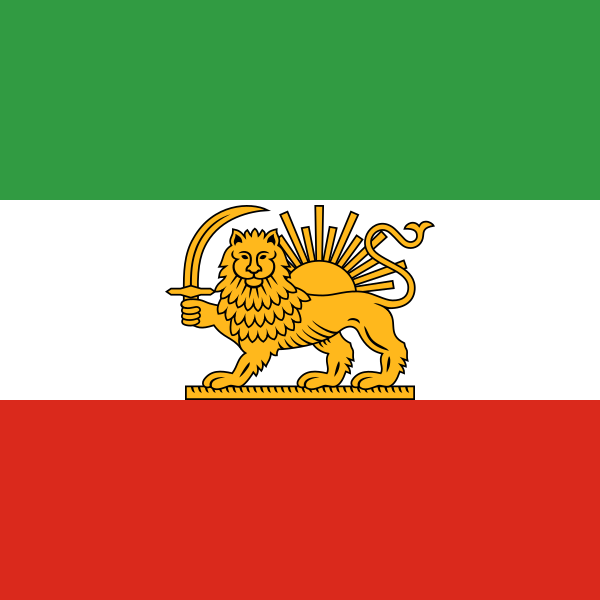 Иран
Источники
- 1UN Security Council Resolutions: Resolution 2231jewishvirtuallibrary.org
- 2Myths & Facts: The Iranian Threatjewishvirtuallibrary.org
- 3Certifying Iran’s Compliance with the Joint Comprehensive Plan of Actionfdd.org
- 4Iran-Russia Nuclear Cooperationinss.org.il
- 5Diplomacy or Driving a Hard Bargain? Lessons from the Negotiation that Led to the Iran Nuclear Dealinss.org.il
- 6Arms Control and Strategic Stability in the Middle East and Europeinss.org.il
- 7Donald Trump Administration: Executive Order Reimposing Sanctions on Iranjewishvirtuallibrary.org
- 8After the Joint Comprehensive Plan of Action: A Game Plan for the United Statesinss.org.il
- 9Obama & Irandiscoverthenetworks.org
- 10Implementing the Iran Nuclear Deal: A Video Guidewashingtoninstitute.org
- 11Reinforcing the Role of Sanctions in Restraining Iranwashingtoninstitute.org
- 12AJC Applauds Congressional Extension of Iran Sanctions Actajc.org
- 13Where We Go from Here: U.S. Policy toward Iran, Negotiation Prospects, and Ongoing Threats to Peaceajc.org
- 14The Iran Nuclear Deal: One Year Lateradl.org
- 15Six Things to Know About Tensions with Iranajc.org
Темы, выходящие за рамки Ближнего Востока, ссылаются на Encyclopædia Britannica.